Tuesday, December 16, 2025

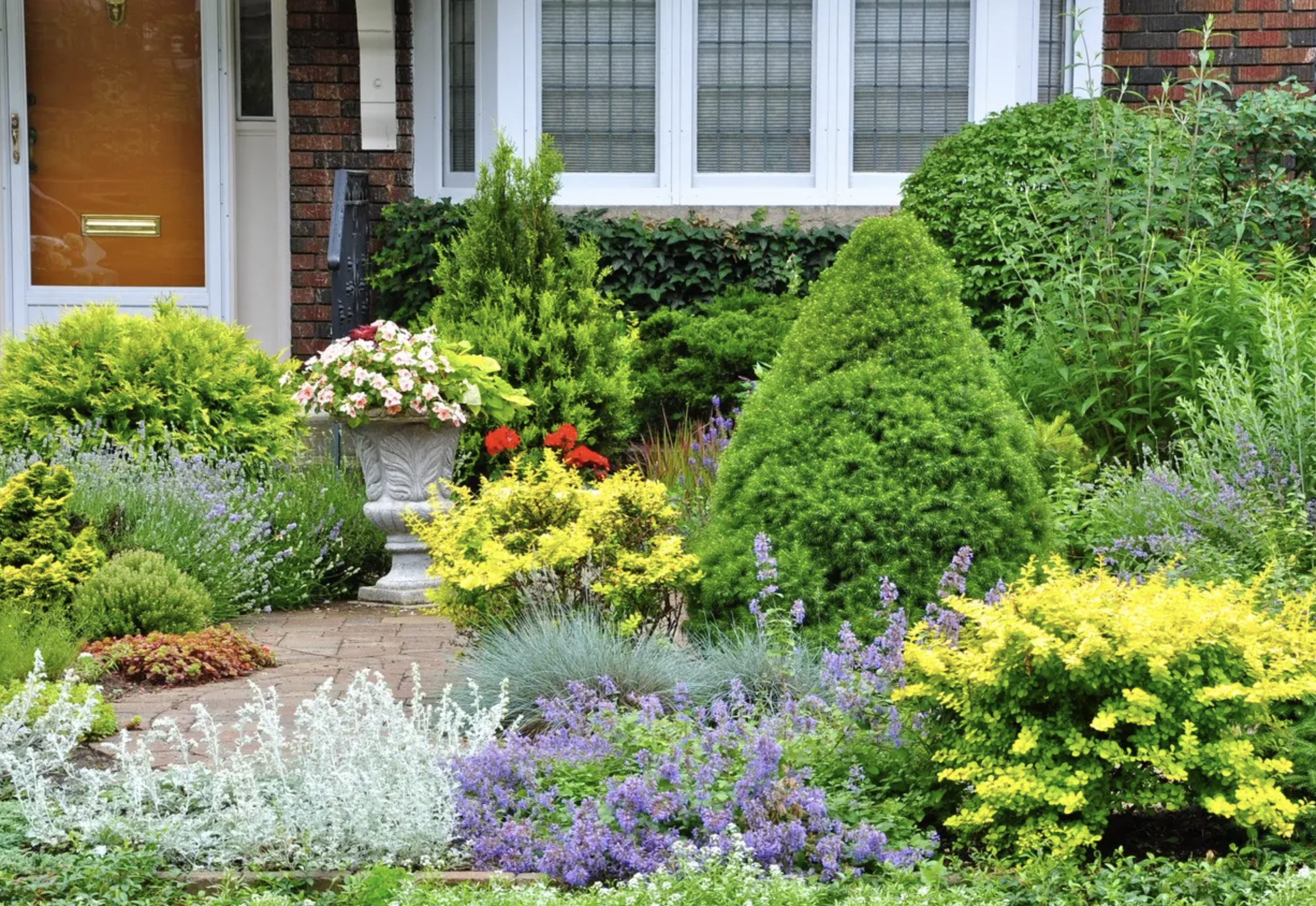
Low Maintenance Garden Plants for Busy People

Let's be real-between work, life, and everything in between, sometimes remembering to water your plants feels like a heroic achievement. If your idea of gardening is something that happens between coffee breaks and weekend plans, you're not alone. The good news is, you don't need a green thumb or a free schedule to enjoy a vibrant garden. These easy-going plants thrive on neglect, forgive your forgetfulness, and still make your space look Instagram-ready.

Why Go Low Maintenance?

Gardening shouldn't feel like a part-time job. Low maintenance plants are like that reliable friend who's always there but never demands too much. They're perfect if you're just starting out, live in an apartment, travel often, or simply have better things to do than fuss over fertilizer schedules. They ask for little-and give back a lot.

Succulents & Cacti: The Forgetful Gardener's Best Friend

If you've ever killed a plant by forgetting it existed, meet your match. Succulents and cacti store water in their leaves and stems, so they'll patiently wait for you to remember them weeks later. They love sunny windowsills, come in fun shapes (some even look like art), and basically thrive on your neglect.

Great picks: Aloe vera (doubles as a sunburn savior), the lucky jade plant, rosette-shaped echeveria, and the sturdy barrel cactus.

Perennials: The "Plant Once, Enjoy Forever" Crew

Imagine planting something once and having it cheerfully return year after year-sounds like magic, but it's just perennials. Once established, many are drought-tolerant and ask for almost nothing in return, all while filling your garden with color and life.

Start with: Fragrant lavender, shade-loving hostas, cheerful daylilies, and pollinator-friendly coneflowers.

Hardy Shrubs: Your Garden's Low-Key Backbone

If you want structure without the trimming marathons, shrubs are your go-to. Many are tough, adaptable, and grow slowly enough that you won't be constantly reaching for the shears.

Reliable choices: Classic boxwood (for clean edges), big-leaf hydrangeas (dramatic and low-fuss), and evergreen juniper.

Herbs That Grow Themselves (Yes, Really)

Why buy overpriced herbs in plastic packs when you can grow your own with almost zero effort? Rosemary, thyme, and chives are remarkably resilient and will happily sit in a sunny spot until you're ready to cook. A word of warning: mint is a joyful but aggressive spreader-keep it in a pot unless you want a mint takeover.

Keep It Simple: A Few Smart Habits

Picking easy plants is half the battle. Here's how to make your garden practically carefree:

  • Group plants with similar thirst levels together (no more guessing who needs water).
  • Mulch is your friend-it keeps soil moist and weeds away.
  • Choose native plants-they're already used to your local weather and soil.

A Garden That Fits Your Life, Not The Other Way Around

A beautiful garden shouldn't be another item on your to-do list. With the right plants, you can enjoy greenery, color, and calm-without the guilt, the stress, or the constant watering. After all, plants are here to make life better, not busier.

Thursday, November 13, 2025

🌿 Indoor Plants That Actually Clean Your Air (And Are Hard to Kill)

Let's be honest—we all want our homes to look like those cozy, plant-filled spaces we see on Instagram. But what if your leafy roommates could do more than just look pretty? Meet your new favorite air purifiers: houseplants that filter out toxins, boost oxygen, and turn your apartment into a fresher, happier place to breathe.


🍃 Why Your Home Needs Green Sidekicks

It might surprise you, but the air inside can be up to five times more polluted than outside. Between cleaning products, furniture fumes, and that mysterious kitchen smell from last Tuesday… it adds up. Luckily, certain plants are nature's upgrade to your living space. They suck in nasty stuff like formaldehyde and benzene, pump out clean oxygen, and honestly? They just make you feel good.


🌱 5 Hard-to-Kill Plants That Work Overtime

🕷️ Spider Plant

The perfect plant for people who forget plants exist. It thrives on neglect, looks cute on a shelf, and fights off formaldehyde like a tiny green superhero.


🐍 Snake Plant

Nicknamed "mother-in-law's tongue" (we don't judge), this one's practically indestructible. It even releases oxygen at night, making it your bedroom's best friend.


🌸 Peace Lily

Elegant, graceful, and a total clean-air overachiever. Its white blooms brighten up any corner while it quietly removes ammonia, benzene, and other unwelcome chemicals.


🌵 Aloe Vera

Sunburn soother, skincare staple, and silent air guardian. Keep it on a sunny windowsill, and it'll reward you with cleaner air and fresh gel for skin emergencies.


🌿 Boston Fern

If you're ready to level up, meet the Boston fern. It's a bit diva-ish (it loves humidity), but it's a powerhouse at filtering pollutants—and looks gorgeous doing it.


💧 Keep 'Em Alive (Seriously, It's Not Hard)

  • Bright, indirect light = happy plants
  • Water when the soil feels dry—no need to drown them
  • Dust their leaves occasionally (yes, they breathe through them!)
  • Give them a quarter-turn now and then so they don't lean like they're trying to escape

🌟 More Than Just Clean Air

Beyond their purifier powers, plants are mood boosters. Studies show they reduce stress, help you focus, and make any space feel more alive. Whether you're in a studio apartment or a home office, a little green goes a long way.


Start with one low-maintenance plant. Before you know it, you'll be the proud plant parent of a mini indoor jungle—and breathing the cleanest air in the neighborhood.


Monday, October 20, 2025

Garden Parties and Outdoor Living Spaces

 The Magic of Outdoor Gatherings

There's something undeniably magical about a garden party. Maybe it's the soft sunlight filtering through the trees, the gentle hum of bees around blooming flowers, or the sound of friends laughing over clinking glasses. Outdoor spaces have a way of making everything feel lighter, more spontaneous. Sitting under a pergola or spreading a blanket on the grass, people seem to open up, conversations flow easier, and even time feels like it slows down just a little.

Hosting a garden party isn't just about throwing food and drinks on a table; it's about creating an atmosphere. A few well-placed string lights, lanterns, or candles can transform a simple backyard into a magical evening retreat. Comfort is key too. Having enough seating, whether it's cushioned chairs, benches, or a mix of both, ensures everyone can relax and enjoy themselves.


Designing Outdoor Living Spaces

Outdoor living spaces aren't just for parties. They are extensions of your home, blending style and functionality. A cozy corner with a sofa and coffee table invites quiet mornings with coffee, while a larger dining setup encourages family meals and weekend brunches. Incorporating greenery—potted plants, climbing vines, or even a small herb garden-adds color and life, making the space feel alive and welcoming.

Material choice also matters. Weather-resistant furniture, easy-to-clean surfaces, and durable fabrics make your outdoor area practical without sacrificing style. Layering textures with rugs, throws, and cushions brings warmth and comfort, while outdoor heaters or fire pits can extend use well into cooler months.

From Casual to Elegant

Garden parties can be casual or elegantly formal, depending on your mood and guest list. Casual gatherings thrive on simplicity: picnic blankets, fairy lights, and finger foods create a relaxed vibe. Elegant parties might feature a long dining table with candles, carefully curated tableware, and a themed floral arrangement. Either way, the goal is to create a space where people feel comfortable, yet enchanted by the surroundings.

The beauty of outdoor living is that it adapts to your needs. You can host a small afternoon tea or a large summer barbecue without feeling confined by walls. The sky becomes the ceiling, the garden becomes the backdrop, and even ordinary moments feel elevated.

Entertainment and Atmosphere

Music plays an important role in setting the mood. A soft playlist or live acoustic set can enhance the atmosphere without overpowering conversation. Consider lighting that shifts from day to evening: sunlight transitions to string lights, lanterns, or a fire pit glow. Adding small decorative touches-like floating candles in a fountain, colorful cushions, or a DIY drink station-gives guests something to admire and enjoy.

Garden parties are also about creating memories. Outdoor games, casual seating clusters, and shared spaces encourage interaction and laughter. Unlike indoor parties, the open air allows freedom and movement, giving your gathering a relaxed and dynamic energy that's hard to replicate inside.

Seasonal Inspiration

Each season brings its own charm to outdoor living. Spring offers blooms and fresh scents, perfect for a brunch or tea party. Summer invites long, lazy evenings with friends, cool drinks, and string lights. Autumn provides crisp air and cozy fires, ideal for hearty meals and warm drinks. Even winter can be magical with heated patios, blankets, and twinkling lights. Thinking seasonally can guide your decorations, food, and even the layout of your space.

Making It Personal

What truly makes an outdoor space special is personality. Add touches that reflect your style-quirky garden ornaments, handmade decorations, or furniture collected over years. Plants are not just decor; they tell a story. A favorite rose bush, a fragrant herb patch, or climbing wisteria can become the centerpiece of your gatherings. Small personal details create warmth, making guests feel like they're part of a space that's lived in and loved.

Conclusion

Garden parties and outdoor living spaces combine beauty, comfort, and connection. They offer a break from routine, a chance to breathe fresh air, and an opportunity to gather with friends and family in an open, inviting environment. Whether it's a casual afternoon or an elegant evening, the outdoors provides a setting that enriches every moment. Investing in your outdoor space is investing in experiences that are memorable, refreshing, and endlessly enjoyable.

Saturday, September 13, 2025

The Charm of French Gardens: A Journey Through Elegance and Nature

When we think of France, images of romance, art, and fine cuisine often come to mind. Yet one of the country’s most enchanting treasures lies outdoors — the gardens. French gardens, whether grand and formal or rustic and intimate, represent a unique blend of artistry and nature. They tell stories of history, culture, and lifestyle, making them an essential part of French heritage.


The Legacy of Formal French Gardens

The Jardin à la française (formal French garden) is world-renowned for its symmetry, order, and grandeur. The most famous example is the gardens of Versailles, designed by André Le Nôtre in the 17th century. These gardens reflect the power and elegance of the French monarchy, with their carefully manicured lawns, geometric flowerbeds, fountains, and sculptures. Walking through them feels like stepping into a living painting.

Romantic and Rustic Charm

Beyond the royal gardens, France is filled with smaller, intimate gardens that reflect the countryside lifestyle. From lavender fields in Provence to rose-covered trellises in Normandy, these gardens embody romance and tranquility. They are less about perfection and more about harmony with nature — a space to enjoy fresh air, seasonal blooms, and quiet moments with family and friends.

Modern French Garden Trends

Today, many French gardens blend traditional design with modern sustainability. Urban gardens in Paris, for example, focus on vertical planting, rooftop greenery, and eco-friendly landscaping. In rural areas, kitchen gardens — known as potagers — remain popular, combining beauty with function by growing vegetables, herbs, and edible flowers.

Experiencing French Gardens

Whether you’re strolling through the Jardin des Tuileries in Paris, exploring the lush landscapes of the Loire Valley châteaux, or wandering in a private countryside garden, each offers a glimpse into France’s deep-rooted passion for nature and aesthetics. French gardens are not just places of beauty; they are living expressions of culture and lifestyle.

Wednesday, September 3, 2025

Creating Your Perfect Garden: Tips, Trends, and Seasonal Inspiration

Gardening is more than just planting flowers—it’s an art, a lifestyle, and a way to connect with nature. Whether you have a small balcony or a spacious backyard, 2025 is all about creating gardens that are functional, sustainable, and visually stunning.


The Rise of Sustainable Gardening
Eco-conscious gardening is gaining momentum worldwide. Home gardeners are embracing organic fertilizers, water-saving irrigation systems, and native plants to reduce environmental impact. By choosing drought-tolerant and pollinator-friendly plants, gardens become not only beautiful but also environmentally responsible.

Trendy Garden Styles in 2025

  • Vertical Gardens: Perfect for urban spaces, vertical walls of greenery maximize limited areas while adding a lush, natural focal point.

  • Edible Gardens: More people are growing their own herbs, vegetables, and fruits. From raised beds to container gardening, edible landscapes combine practicality and beauty.

  • Japanese Zen Gardens: Minimalist design, stone pathways, and water features create serene outdoor retreats.

  • Wildflower & Pollinator Gardens: Vibrant blooms attract bees, butterflies, and birds, fostering biodiversity while brightening the space.

Design Tips for Every Garden

  • Layering Plants: Mix heights, colors, and textures for a dynamic and inviting garden.

  • Seasonal Interest: Include plants that bloom in different seasons to keep the garden lively year-round.

  • Outdoor Living Spaces: Incorporate benches, pergolas, or cozy nooks to enjoy your garden as an extension of your home.

  • Lighting: Solar-powered lights or string lights enhance nighttime ambiance and highlight key features.

The Mental and Physical Benefits of Gardening
Gardening is not just about aesthetics. It’s a proven stress reliever, encourages physical activity, and fosters mindfulness. Studies show that spending time with plants can boost mood, reduce anxiety, and even improve cognitive function.

A garden is a personal sanctuary, a reflection of taste, and a contribution to the environment. By blending sustainable practices, creative design, and seasonal awareness, you can create a garden that is both stunning and purposeful. Whether you’re a beginner or an experienced gardener, 2025 is the perfect year to cultivate beauty, wellness, and connection through your outdoor space.

Saturday, August 16, 2025

Garden Parties: Fashion Inspirations from Outdoor Settings

There’s something magical about a garden party. Whether it’s a summer afternoon surrounded by blooming flowers or an elegant evening under string lights, garden gatherings have long been associated with style, charm, and effortless sophistication. Fashion has always drawn inspiration from these outdoor celebrations, blending nature’s beauty with timeless dressing.

The Essence of Garden Party Fashion

Garden party outfits are about striking the perfect balance between elegance and comfort. Flowing silhouettes, breathable fabrics, and delicate details all reflect the relaxed yet refined atmosphere of the outdoors. Florals are the obvious choice, but garden-inspired fashion goes beyond prints — think pastel shades, soft textures, lace accents, and romantic draping that mirror the surrounding environment.


Accessories play a key role in garden party style. Wide-brimmed hats not only shield from the sun but also add a touch of vintage glamour. Light jewelry, woven bags, and soft-toned shoes complete the look without overpowering it. The goal is to enhance the setting, not compete with it.

Garden Parties in Fashion History

From British afternoon tea traditions to modern summer soirées, garden parties have influenced dress codes for centuries. The Edwardian era popularized flowing dresses with embroidery and ruffles, while the mid-20th century embraced playful, colorful patterns. Today, fashion continues to reinterpret the theme, with designers showcasing collections inspired by outdoor elegance at events like Royal Ascot and summer weddings.

Modern Interpretations

In recent years, garden party fashion has embraced versatility. Dresses with built-in support, airy maxi gowns, and tailored jumpsuits are becoming staples, offering comfort while maintaining sophistication. Neutral tones and minimalist cuts also make an appearance, giving a modern twist to traditional florals.

Garden parties also reflect a growing cultural appreciation for sustainability. Many fashion lovers are turning to eco-friendly fabrics, vintage pieces, and versatile staples that can transition from daytime picnics to evening gatherings.

Finding Inspiration in Nature

At the heart of it all, garden party fashion draws directly from the environment: the blush of roses, the crisp white of daisies, the earthy tones of greenery. The next time you dress for an outdoor gathering, think of your outfit as part of the scenery — harmonious, natural, and effortlessly chic.

Saturday, August 2, 2025

Create a Wellness Garden: Water, Shade & Seating for a Restorative Outdoor Space in the UK

In an increasingly busy and screen-filled world, more people in the UK are turning to their gardens not just as places to grow plants—but as personal sanctuaries for relaxation, healing, and mindfulness. Enter the wellness garden: a carefully curated outdoor space designed to support mental and physical well-being.

And when you blend a soothing water feature, comforting shade, and thoughtful seating, you create a calming oasis that fits beautifully into any British garden, no matter the size.

🌊 The Power of a Water Feature

The gentle sound of water trickling through a fountain or cascading over rocks brings instant calm. Water features are known to reduce stress, enhance mood, and even lower blood pressure. In the often unpredictable UK climate, a self-circulating water feature (like a solar-powered bird bath fountain or wall-mounted waterfall) can be low-maintenance and surprisingly easy to install.

Tips:

  • Choose a design that blends with your garden’s aesthetic—rustic stone, modern ceramic, or minimalist metal.

  • Place it near your seating area so the sound can be enjoyed while relaxing or reading.

🌳 Embracing Shade the Right Way

Whether it’s a large parasol, a trellis draped in climbing roses, or a mature tree offering natural canopy, shade is essential for comfort—especially in summer months when the sun peaks. British gardens often combine sunny and shaded corners, so work with your garden’s orientation to create a cool, tranquil area protected from direct heat.

Ideas:

  • Plant fast-growing climbers like clematis or honeysuckle on a pergola.

  • Use natural materials like willow or linen for shade sails or drapes to soften harsh light.

🪑 Seating That Invites You to Stay

Seating is the heart of a wellness garden. Whether it's a weathered wooden bench, a hanging egg chair, or a set of lounge-friendly outdoor cushions, the goal is to invite stillness.

Design for comfort and intention:

  • Position seating where you can enjoy the view of your garden’s focal points—perhaps your water feature or a blooming flower bed.

  • Include side tables for tea, books, or candles.

  • Add soft throws or cushions for warmth during cooler UK evenings.

🕯️ Final Touches: Lighting, Scents & Sound

To complete the sensory experience:

  • Use solar lanterns or string lights for ambient evening glow.

  • Add calming scents with lavender, chamomile, or jasmine planted nearby.

  • Include wind chimes or a Bluetooth speaker for soft background sounds like birdsong or instrumental music.

🌿 Why Wellness Gardens Matter Now

More UK homeowners are treating gardens not just as outdoor spaces, but as extensions of mental health care—places for yoga, journaling, quiet conversation, or simply being alone. With screen time at an all-time high and stress becoming a national health concern, your garden can be your everyday escape.

You don’t need a sprawling estate to create a wellness garden. Even a small city courtyard or shared terrace can become a peaceful retreat with the right mix of water, shade, and seating. As 2025 continues to spotlight mindful living and outdoor rejuvenation, turning your garden into a wellness haven is a beautiful, achievable step toward self-care.

Monday, July 14, 2025

Horticultural Therapy: How Gardening Helps Relieve Stress and Anxiety

In today’s fast-paced world, stress and anxiety have become common challenges for many people. Finding natural and effective ways to unwind is more important than ever. One such method that’s gaining attention is horticultural therapy—using gardening and plant care as a powerful tool to improve mental well-being.

Whether you have a sprawling backyard or a small windowsill, connecting with plants can bring remarkable benefits for your mind and body.

1. Why Gardening Works as Therapy

Gardening engages your senses and promotes mindfulness, encouraging you to focus on the present moment. The act of digging soil, planting seeds, and nurturing growth creates a calming routine that can distract from worries and negative thoughts.

Studies have shown that spending time with plants can lower cortisol levels (the stress hormone), reduce blood pressure, and improve overall mood.

2. The Science Behind the Green Effect

Plants release oxygen and improve air quality, creating a fresher, more relaxing environment. Beyond that, simply being in green spaces triggers the brain’s parasympathetic nervous system, responsible for rest and recovery.

This “green effect” has been linked to reduced symptoms of depression and anxiety, making gardening a natural mood booster.

3. How to Get Started with Therapeutic Gardening

You don’t need a big garden to experience these benefits. Here are simple ways to start:

  • Indoor Plants: Easy-care options like pothos, snake plants, or succulents are perfect for beginners.

  • Container Gardening: Use pots or window boxes to grow herbs, flowers, or small veggies.

  • Community Gardens: Joining a local garden can add social interaction to the healing process.

  • Mindful Gardening: Focus fully on the task—notice the colors, textures, and smells to enhance mindfulness.

4. Gardening Activities That Promote Relaxation

  • Planting and Transplanting: The tactile experience helps ground your attention.

  • Watering Plants: The rhythmic nature can be meditative.

  • Pruning and Deadheading: These repetitive actions offer calming focus.

  • Harvesting: Enjoying the fruits of your labor brings satisfaction and joy.

5. Beyond the Garden: Creating a Healing Space

Incorporate seating areas, wind chimes, or water features to enhance your garden’s soothing atmosphere. Playing soft music or using aromatherapy with lavender and rosemary plants can also boost relaxation.

Horticultural therapy is a simple, accessible way to nurture both plants and your mental health. By dedicating even a few minutes each day to gardening, you can create a peaceful routine that reduces stress, eases anxiety, and brings a sense of accomplishment.

Whether you’re tending to a single potted plant or cultivating a full garden, the green world offers a natural sanctuary for your mind and soul.

Tuesday, July 1, 2025

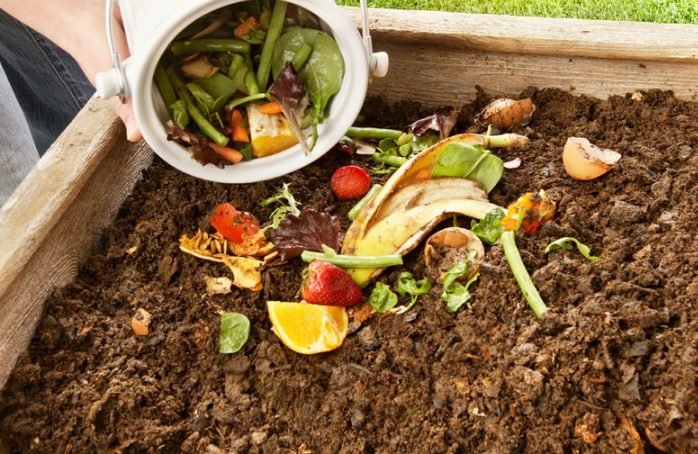
How to Compost at Home and Feed Your Garden Naturally

There's something incredibly satisfying about turning kitchen scraps and yard waste into rich, earthy compost that gives your plants a natural boost. Composting is one of the easiest ways to reduce household waste and create your own organic fertilizer—right at home.

Whether you're new to gardening or just tired of synthetic products, composting helps you feed your garden naturally while giving back to the planet. Here's how to get started, step by step.

🌿 Why Composting Matters

Before we dig in (pun intended), let's talk about why composting is worth your time:

  • Reduces food waste: About 30% of household trash is compostable.

  • Improves soil health: Compost adds nutrients, improves texture, and boosts moisture retention.

  • Saves money: Say goodbye to store-bought fertilizers.

  • Supports sustainability: Keeps organic waste out of landfills, reducing methane emissions.

🪴 What You'll Need to Start Composting at Home

You don't need fancy equipment. Just a few essentials:

  • A compost bin (or pile): This can be a store-bought container, a DIY wooden box, or even a designated spot in your backyard.

  • A balance of “greens” and “browns”: Think kitchen scraps (greens) and yard waste (browns).

  • A small container for kitchen waste: Keep it on your counter or under the sink.

  • A garden fork or shovel: For occasional turning and mixing.

🍌 What to Compost (And What to Avoid)

✔️ Greens (Nitrogen-rich):

  • Fruit and veggie scraps

  • Coffee grounds

  • Tea leaves

  • Eggshells

  • Grass clippings

✔️ Browns (Carbon-rich):

  • Dry leaves

  • Paper towels (unbleached)

  • Shredded newspaper

  • Sawdust (from untreated wood)

  • Straw

❌ Avoid Composting:

  • Meat, dairy, and oily food

  • Pet waste

  • Synthetic materials (plastic, glossy paper)

  • Diseased plants

  • Weeds with seeds (they may survive the composting process)

🔄 The Composting Process (Made Simple)

  1. Layer it right: Start with a layer of browns, then add greens, and continue alternating.

  2. Keep it moist: Like a wrung-out sponge. Not soaking wet, not bone dry.

  3. Turn occasionally: Stir or flip every 1–2 weeks to add oxygen and speed up decomposition.

  4. Be patient: Compost takes 2–6 months depending on conditions. You'll know it's ready when it looks dark, crumbly, and smells earthy.

🌱 How to Use Your Compost in the Garden

Once your compost is ready, here’s how to feed your plants:

  • As a top dressing: Sprinkle compost around the base of plants.

  • In soil mix: Blend into potting soil for container gardening.

  • Before planting: Dig compost into beds to enrich the soil before sowing seeds.

  • As a lawn boost: Spread a thin layer over your grass for greener turf.

Pro tip: Even indoor plants benefit from a small scoop of compost every now and then!

🧡 Final Thoughts: A Small Habit With a Big Impact

Composting is a quiet revolution that starts in your kitchen and transforms your garden. It's budget-friendly, beginner-friendly, and deeply rewarding.

So next time you peel a banana or brew your coffee, don't toss it in the trash—toss it into your compost pile. Your plants, your planet, and your future self will thank you.

Monday, June 16, 2025

Garden Therapy: How Gardening Helps Reduce Stress and Promote Relaxation

In our fast-paced modern lives, finding moments of calm and connection with nature is more important than ever. One timeless way to nurture both the mind and body is through gardening — a practice that offers more than just beautiful plants and fresh air. Gardening is increasingly recognized as a form of therapy, helping people reduce stress, improve mood, and find a sense of peace in their daily routine.


The Healing Power of Gardening

Gardening engages all your senses — the scent of soil and flowers, the texture of leaves, the vibrant colors of blooms, and the sound of rustling leaves. This sensory experience creates a natural mindfulness practice, encouraging you to be present in the moment. Studies show that spending time in green spaces and caring for plants can lower cortisol levels, the hormone linked to stress, and boost serotonin, the “feel-good” chemical in your brain.

Physical Movement with a Gentle Touch

Unlike intense workouts, gardening involves gentle physical activity like digging, planting, watering, and pruning. These movements help release tension in muscles, improve circulation, and increase flexibility. The rhythmic tasks can be meditative, providing a calming effect similar to yoga or tai chi, but with the added benefit of connecting to living things.

Cultivating Patience and Gratitude

Gardening teaches patience as plants take time to grow and flourish. Watching a seed sprout into a vibrant flower or edible vegetable can create a profound sense of accomplishment and joy. This process encourages gratitude for small daily miracles and fosters a deeper appreciation for nature’s cycles.

Creating Your Personal Sanctuary

Designing and tending to a garden gives you a private, soothing space to retreat from the stresses of daily life. Whether you have a spacious backyard, a balcony with pots, or a windowsill with herbs, gardening allows you to craft your own peaceful oasis. The act of caring for plants also nurtures self-care and mindfulness habits that can extend beyond your garden.

Tips to Start Your Own Garden Therapy Practice

  • Start small: Choose easy-to-care-for plants like succulents, herbs, or flowers suited for your environment.

  • Set aside time: Dedicate a few minutes each day to garden care, making it a relaxing daily ritual.

  • Engage your senses: Focus on the textures, smells, and colors around you to deepen your mindfulness.

  • Be patient: Embrace the natural pace of growth and enjoy watching your garden evolve over time.

  • Connect with community: Join local gardening groups or online forums to share experiences and inspiration.

Gardening offers more than just a pretty space; it is a powerful tool for mental and physical well-being. By nurturing plants, you nurture yourself — reducing stress, fostering relaxation, and finding joy in nature's gentle rhythms. If you're looking for a meaningful way to unwind and recharge, consider making gardening a part of your self-care routine.

Wednesday, June 4, 2025

Growing Green: The American Garden Tradition

Gardening in the United States is more than just a hobby — it’s a lifestyle that connects people to nature, community, and even personal well-being. From backyard vegetable patches to lush suburban lawns, the American garden reflects the country’s diverse landscapes, climates, and cultures.

A Garden for Every Region

One of the most unique aspects of gardening in the U.S. is its regional diversity. In California, drought-tolerant gardens filled with succulents and native plants thrive. Meanwhile, in the Pacific Northwest, mossy landscapes and towering evergreens dominate. Southern states enjoy long growing seasons and are known for colorful flower beds and productive vegetable gardens.

This regional variety means there’s no one-size-fits-all approach. American gardeners adapt to local conditions, whether it's dealing with New England frosts or Florida humidity.

The Backyard as a Personal Sanctuary

For many Americans, the garden is a retreat — a place to unwind after work, enjoy morning coffee, or host weekend barbecues. Raised beds full of herbs, tomatoes, and strawberries have become staples in suburban and even urban homes.

The rise of home gardening surged during the pandemic, sparking a new wave of interest in self-sufficiency and mental wellness. Gardening is now seen as a therapeutic practice, offering mindfulness, movement, and the simple joy of watching something grow.

Community Gardens and Urban Revival

In cities across the U.S., community gardens are bringing neighbors together. These shared spaces, often located in empty lots or rooftops, give residents a chance to grow food, learn from each other, and build stronger local networks.

From New York City's Lower East Side to Detroit's urban farms, gardens are becoming symbols of resilience, sustainability, and hope.

Sustainability and a New Generation

Today's American gardeners are increasingly eco-conscious. Native plant gardens, pollinator-friendly landscapes, composting, and rainwater collection are on the rise. Younger generations are embracing gardening not only for aesthetics but as a way to protect the environment and reduce food waste.

Whether it's planting sunflowers for bees or growing kale for the kitchen, the American garden is evolving with the times — but still rooted in a deep love for the land.

Wednesday, May 28, 2025

A Seasonal Guide to Growing Your Own Vegetables and Herbs for a Healthy Lifestyle

Growing your own vegetables and herbs is not only rewarding but also a fantastic way to ensure you have fresh, nutritious ingredients right at your fingertips. With a little planning and care, you can cultivate a thriving garden that changes with the seasons, providing you with a continuous supply of homegrown produce.

Why Grow Seasonal Vegetables and Herbs?

Seasonal gardening aligns your planting schedule with nature's rhythms, making it easier to grow healthy, vibrant plants. Seasonal vegetables tend to be more flavorful and nutrient-rich because they are harvested at their peak. Plus, growing herbs at home allows you to add fresh, aromatic flavors to your meals while avoiding preservatives and additives found in store-bought options.

Planning Your Seasonal Garden

Start by understanding your local climate and the best planting times for various vegetables and herbs. Spring and summer are ideal for warm-weather crops like tomatoes, peppers, and basil, while fall and winter suit cool-weather favorites such as kale, carrots, and parsley.

Create a planting calendar to track when to sow seeds, transplant seedlings, and harvest crops. Companion planting—growing plants that benefit each other side by side—can boost growth and reduce pests naturally.

Easy Vegetables to Grow by Season

  • Spring: Lettuce, radishes, peas, spinach

  • Summer: Tomatoes, zucchini, cucumbers, beans

  • Fall: Broccoli, Brussels sprouts, carrots, kale

  • Winter: Garlic, onions, leeks, parsley

Popular Herbs for Your Garden

  • Basil: Perfect for summer; loves warm weather and plenty of sun

  • Thyme: Hardy and versatile, great for cooler seasons

  • Parsley: Thrives in both sun and partial shade, easy to grow year-round

  • Mint: Fast-growing but invasive, best kept in pots

Harvesting Tips for Maximum Flavor and Nutrition

Harvest vegetables and herbs in the morning when their essential oils are most concentrated. Use sharp scissors or pruning shears to avoid damaging plants. Regular harvesting encourages plants to produce more, giving you a longer growing season.

Benefits Beyond the Plate

Growing your own food nurtures a deeper connection with nature and encourages mindful eating. Gardening can also be a therapeutic activity, reducing stress and promoting physical activity.

Starting a seasonal vegetable and herb garden is a wonderful step towards a healthier lifestyle and sustainable living. Whether you have a spacious backyard or a small balcony, there’s always room to grow something delicious and nutritious. Embrace the joy of gardening and savor the fresh flavors of your own harvest!

Tuesday, May 20, 2025

Winter Gardening: How to Protect Plants in Cold Weather

Gardening doesn't have to end when the temperature drops. With a little preparation and care, you can keep your garden thriving even through the coldest months. Winter gardening offers unique challenges, but also rewards — whether it's preserving perennials, growing cold-hardy vegetables, or simply enjoying the beauty of a frost-kissed landscape. Here's your guide on how to protect plants in cold weather and keep your garden healthy all winter long.

Understanding the Impact of Cold Weather on Plants

Cold weather affects plants in various ways. Frost and freezing temperatures can damage leaves, stems, and roots, especially for plants that aren't naturally adapted to harsh winters. When water inside plant cells freezes, it expands and can cause cell walls to rupture — leading to browning, wilting, or even plant death.

But don't worry, many plants have natural defenses, and gardeners can take smart steps to protect vulnerable greenery.

Top Tips to Protect Your Garden in Winter

1. Mulch for Insulation

Applying a thick layer of mulch around the base of your plants helps regulate soil temperature and retain moisture. Organic mulches like straw, shredded leaves, or bark chips create a cozy blanket that shields roots from freezing and thawing cycles.

2. Cover Plants with Frost Cloths or Blankets

For especially cold nights, cover tender plants with frost cloths, burlap, or old bed sheets. Avoid plastic directly touching plants, as it can cause more harm than good. Covers trap warmth and protect plants from frost, but remember to remove them during the day to let sunlight in.

3. Water Wisely Before a Freeze

Surprisingly, watering your garden before a freeze can help protect plants. Moist soil retains heat better than dry soil, so giving plants a good drink beforehand can reduce cold damage. Avoid overwatering, especially in poor-draining soil.

4. Move Potted Plants Indoors or to Sheltered Spots

Containers are especially vulnerable to freezing because their roots have less insulation. Whenever possible, move potted plants indoors, to a greenhouse, or to a sheltered area like a porch or garage.

5. Prune and Clean Up Your Garden

Remove dead or diseased foliage to reduce the risk of pests and diseases overwintering in your garden. However, avoid heavy pruning of sensitive plants just before cold weather, as this can stimulate new growth that’s more susceptible to frost.

6. Use Windbreaks to Shield Your Plants

Cold winter winds can dry out plants and cause damage. Erect temporary windbreaks using garden fabric, fences, or even strategically placed bales of straw to reduce wind exposure.

7. Choose Cold-Hardy Plants

If you're planning ahead, select plants known for their winter resilience. Many perennials, evergreens, and root vegetables thrive in cold weather. Examples include kale, Brussels sprouts, pansies, and hellebores.

Bonus: Winter Garden Maintenance

  • Keep an eye on snow accumulation: A light snow cover can insulate plants, but heavy snow or ice buildup can break branches. Gently brush off excess snow from shrubs and trees.

  • Avoid walking on frozen soil: Compacted frozen soil harms root structure.

  • Plan your spring garden: Use winter downtime to research and prepare for your next growing season.

Winter gardening takes some extra effort, but protecting your plants from cold damage ensures they bounce back strong and healthy when spring arrives. Whether you’re a seasoned gardener or just starting, these simple tips can help you enjoy a green and vibrant garden all year round.