Gardening in the United States is more than just a hobby — it’s a lifestyle that connects people to nature, community, and even personal well-being. From backyard vegetable patches to lush suburban lawns, the American garden reflects the country’s diverse landscapes, climates, and cultures.
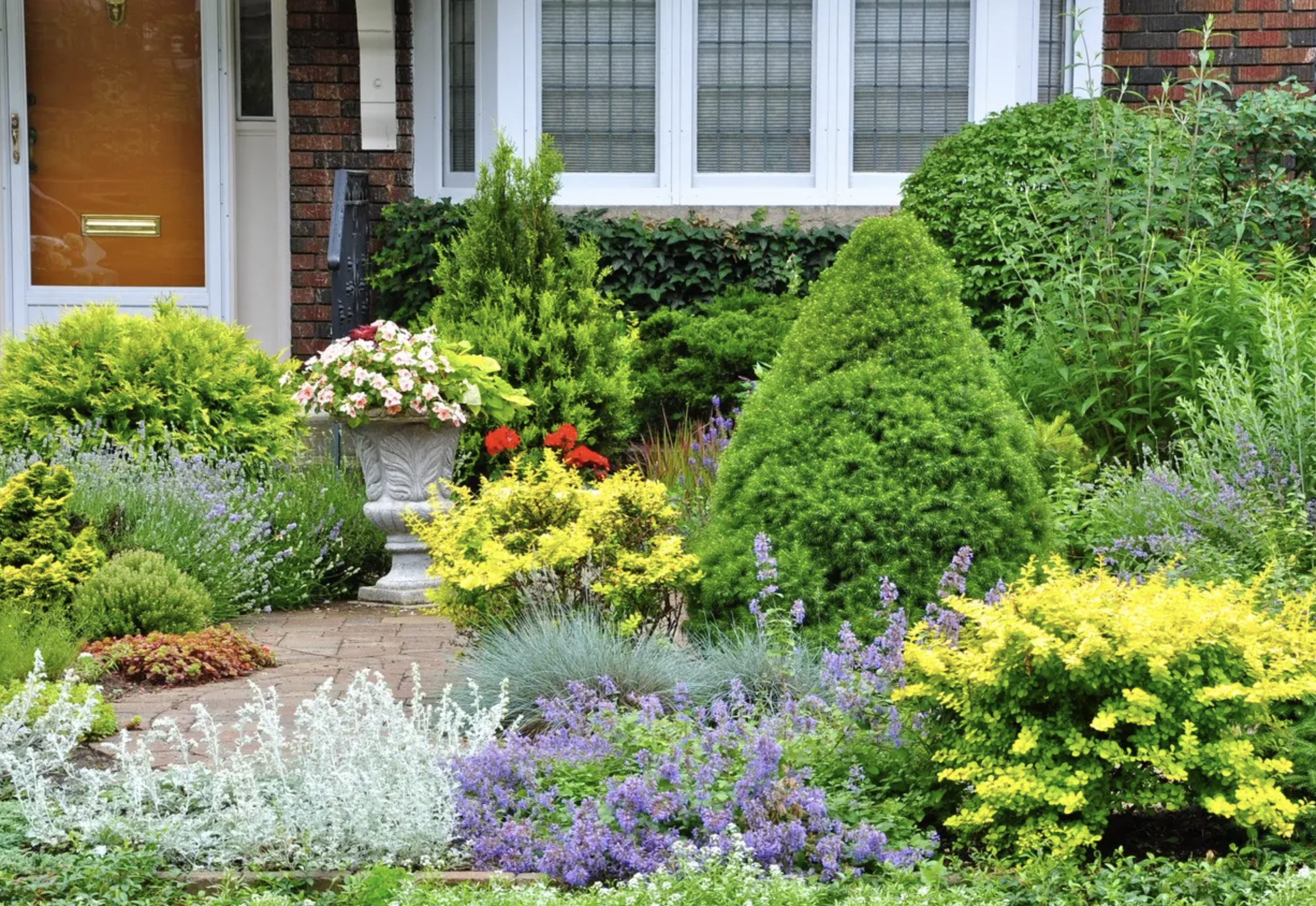
A Garden for Every Region
One of the most unique aspects of gardening in the U.S. is its regional diversity. In California, drought-tolerant gardens filled with succulents and native plants thrive. Meanwhile, in the Pacific Northwest, mossy landscapes and towering evergreens dominate. Southern states enjoy long growing seasons and are known for colorful flower beds and productive vegetable gardens.
This regional variety means there’s no one-size-fits-all approach. American gardeners adapt to local conditions, whether it's dealing with New England frosts or Florida humidity.
The Backyard as a Personal Sanctuary
For many Americans, the garden is a retreat — a place to unwind after work, enjoy morning coffee, or host weekend barbecues. Raised beds full of herbs, tomatoes, and strawberries have become staples in suburban and even urban homes.
The rise of home gardening surged during the pandemic, sparking a new wave of interest in self-sufficiency and mental wellness. Gardening is now seen as a therapeutic practice, offering mindfulness, movement, and the simple joy of watching something grow.
Community Gardens and Urban Revival
In cities across the U.S., community gardens are bringing neighbors together. These shared spaces, often located in empty lots or rooftops, give residents a chance to grow food, learn from each other, and build stronger local networks.
From New York City's Lower East Side to Detroit's urban farms, gardens are becoming symbols of resilience, sustainability, and hope.
Sustainability and a New Generation
Today's American gardeners are increasingly eco-conscious. Native plant gardens, pollinator-friendly landscapes, composting, and rainwater collection are on the rise. Younger generations are embracing gardening not only for aesthetics but as a way to protect the environment and reduce food waste.
Whether it's planting sunflowers for bees or growing kale for the kitchen, the American garden is evolving with the times — but still rooted in a deep love for the land.

No comments:
Post a Comment