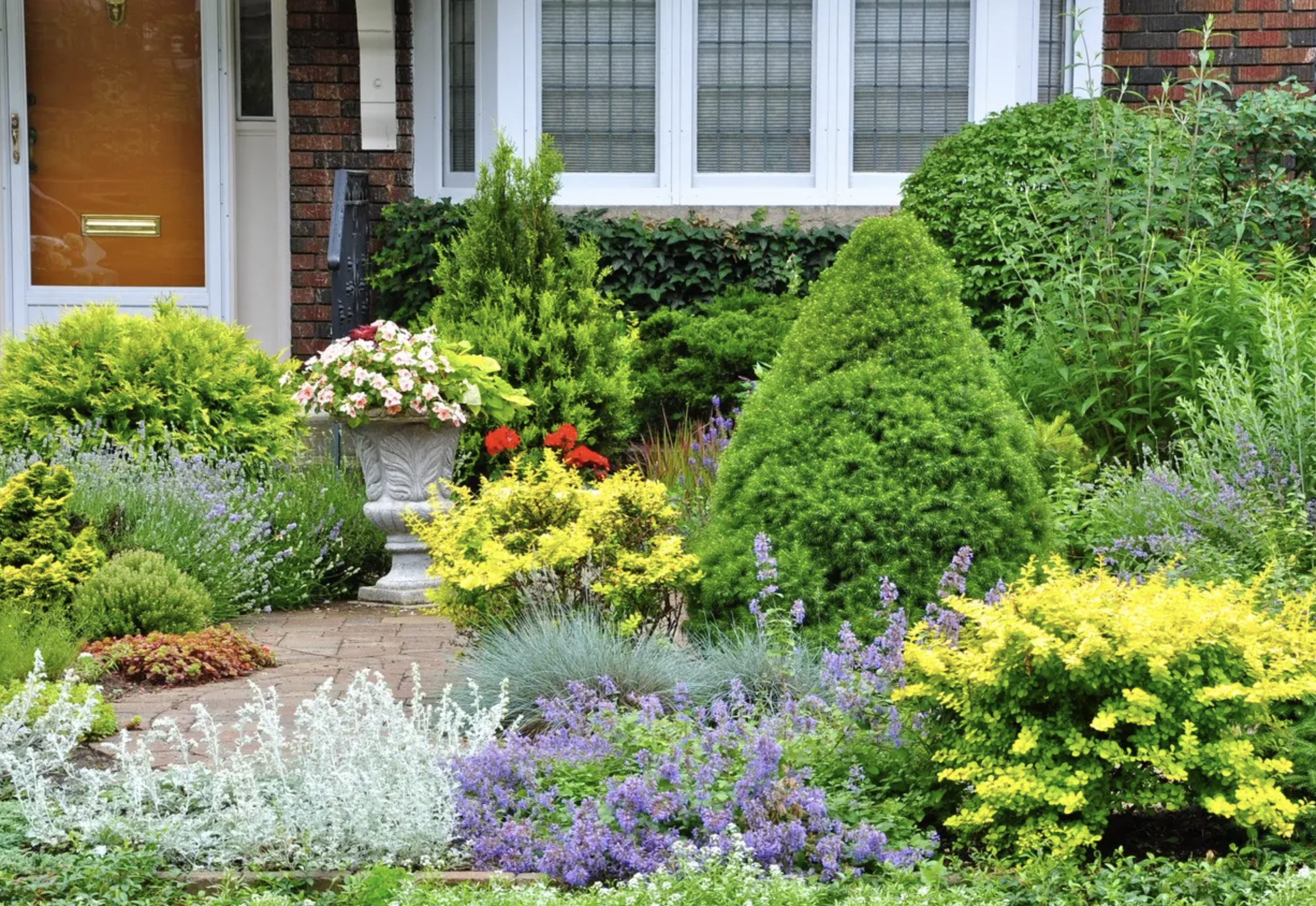
In our fast-paced modern lives, finding moments of calm and connection with nature is more important than ever. One timeless way to nurture both the mind and body is through gardening — a practice that offers more than just beautiful plants and fresh air. Gardening is increasingly recognized as a form of therapy, helping people reduce stress, improve mood, and find a sense of peace in their daily routine.

The Healing Power of Gardening
Gardening engages all your senses — the scent of soil and flowers, the texture of leaves, the vibrant colors of blooms, and the sound of rustling leaves. This sensory experience creates a natural mindfulness practice, encouraging you to be present in the moment. Studies show that spending time in green spaces and caring for plants can lower cortisol levels, the hormone linked to stress, and boost serotonin, the “feel-good” chemical in your brain.
Physical Movement with a Gentle Touch
Unlike intense workouts, gardening involves gentle physical activity like digging, planting, watering, and pruning. These movements help release tension in muscles, improve circulation, and increase flexibility. The rhythmic tasks can be meditative, providing a calming effect similar to yoga or tai chi, but with the added benefit of connecting to living things.
Cultivating Patience and Gratitude
Gardening teaches patience as plants take time to grow and flourish. Watching a seed sprout into a vibrant flower or edible vegetable can create a profound sense of accomplishment and joy. This process encourages gratitude for small daily miracles and fosters a deeper appreciation for nature’s cycles.
Creating Your Personal Sanctuary
Designing and tending to a garden gives you a private, soothing space to retreat from the stresses of daily life. Whether you have a spacious backyard, a balcony with pots, or a windowsill with herbs, gardening allows you to craft your own peaceful oasis. The act of caring for plants also nurtures self-care and mindfulness habits that can extend beyond your garden.
Tips to Start Your Own Garden Therapy Practice
-
Start small: Choose easy-to-care-for plants like succulents, herbs, or flowers suited for your environment.
-
Set aside time: Dedicate a few minutes each day to garden care, making it a relaxing daily ritual.
-
Engage your senses: Focus on the textures, smells, and colors around you to deepen your mindfulness.
-
Be patient: Embrace the natural pace of growth and enjoy watching your garden evolve over time.
-
Connect with community: Join local gardening groups or online forums to share experiences and inspiration.
Gardening offers more than just a pretty space; it is a powerful tool for mental and physical well-being. By nurturing plants, you nurture yourself — reducing stress, fostering relaxation, and finding joy in nature's gentle rhythms. If you're looking for a meaningful way to unwind and recharge, consider making gardening a part of your self-care routine.