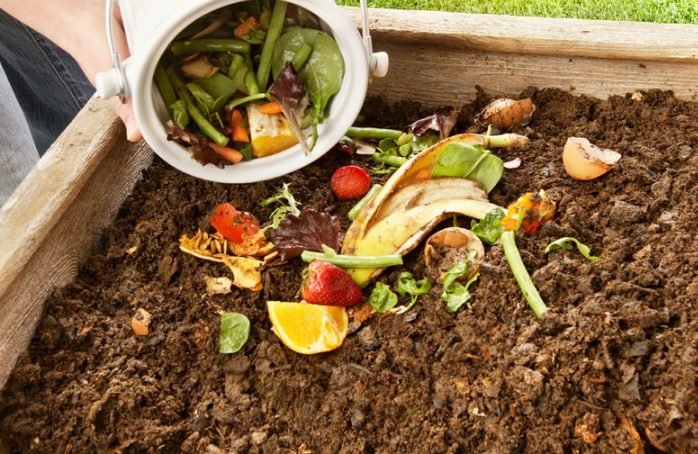
There's something incredibly satisfying about turning kitchen scraps and yard waste into rich, earthy compost that gives your plants a natural boost. Composting is one of the easiest ways to reduce household waste and create your own organic fertilizer—right at home.
Whether you're new to gardening or just tired of synthetic products, composting helps you feed your garden naturally while giving back to the planet. Here's how to get started, step by step.
🌿 Why Composting Matters
Before we dig in (pun intended), let's talk about why composting is worth your time:
-
Reduces food waste: About 30% of household trash is compostable.
-
Improves soil health: Compost adds nutrients, improves texture, and boosts moisture retention.
-
Saves money: Say goodbye to store-bought fertilizers.
-
Supports sustainability: Keeps organic waste out of landfills, reducing methane emissions.
🪴 What You'll Need to Start Composting at Home
You don't need fancy equipment. Just a few essentials:
-
A compost bin (or pile): This can be a store-bought container, a DIY wooden box, or even a designated spot in your backyard.
-
A balance of “greens” and “browns”: Think kitchen scraps (greens) and yard waste (browns).
-
A small container for kitchen waste: Keep it on your counter or under the sink.
-
A garden fork or shovel: For occasional turning and mixing.
🍌 What to Compost (And What to Avoid)
✔️ Greens (Nitrogen-rich):
-
Fruit and veggie scraps
-
Coffee grounds
-
Tea leaves
-
Eggshells
-
Grass clippings
✔️ Browns (Carbon-rich):
-
Dry leaves
-
Paper towels (unbleached)
-
Shredded newspaper
-
Sawdust (from untreated wood)
-
Straw
❌ Avoid Composting:
-
Meat, dairy, and oily food
-
Pet waste
-
Synthetic materials (plastic, glossy paper)
-
Diseased plants
-
Weeds with seeds (they may survive the composting process)
🔄 The Composting Process (Made Simple)
-
Layer it right: Start with a layer of browns, then add greens, and continue alternating.
-
Keep it moist: Like a wrung-out sponge. Not soaking wet, not bone dry.
-
Turn occasionally: Stir or flip every 1–2 weeks to add oxygen and speed up decomposition.
-
Be patient: Compost takes 2–6 months depending on conditions. You'll know it's ready when it looks dark, crumbly, and smells earthy.
🌱 How to Use Your Compost in the Garden
Once your compost is ready, here’s how to feed your plants:
-
As a top dressing: Sprinkle compost around the base of plants.
-
In soil mix: Blend into potting soil for container gardening.
-
Before planting: Dig compost into beds to enrich the soil before sowing seeds.
-
As a lawn boost: Spread a thin layer over your grass for greener turf.
Pro tip: Even indoor plants benefit from a small scoop of compost every now and then!
🧡 Final Thoughts: A Small Habit With a Big Impact
Composting is a quiet revolution that starts in your kitchen and transforms your garden. It's budget-friendly, beginner-friendly, and deeply rewarding.
So next time you peel a banana or brew your coffee, don't toss it in the trash—toss it into your compost pile. Your plants, your planet, and your future self will thank you.

No comments:
Post a Comment